Photo: Wikimedia
Area guides

For travellers

Miami

Miami, Florida · United States

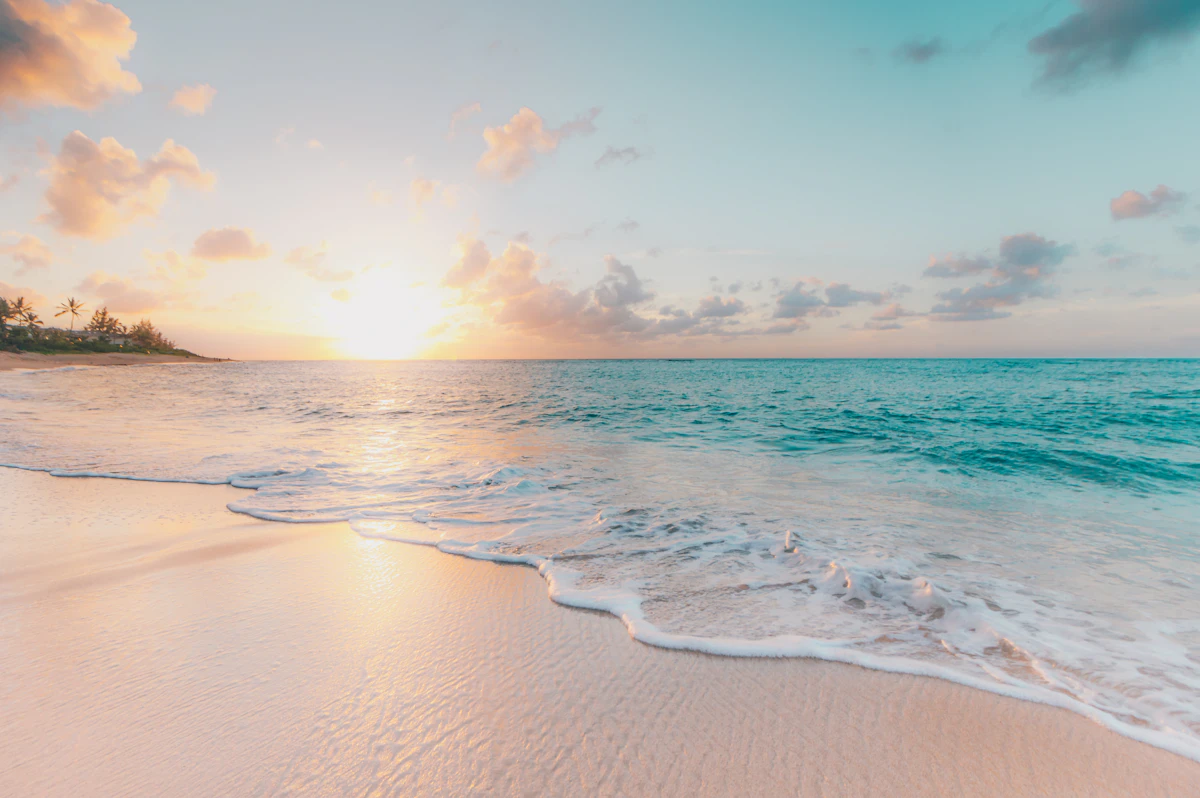
Art Deco on the sand, Cuban coffee at a walk-up window, and murals by the block. Miami is a beach city with a Caribbean accent.

Art Deco architectureSouth BeachCuban food and coffeeWynwood street artNightlifeArt Basel
Best time to visit
November–April
Getting around
Rideshare; a car helps for day trips
Stay for
3–4 days
Languages
English and Spanish, everywhere

Miami is less a single city than several that share a coastline and, mostly, a language other than English. South Beach has the Art Deco and the water; Wynwood has the murals; Little Havana has the food and the dominoes; and the Everglades are forty minutes from downtown. Come in winter if you can, and spend at least one morning on the water.

Things you would regret missing

6 things worth building a day around in Miami.

Walk the Art Deco district at golden hourPhoto: Wikimedia1

Walk the Art Deco district at golden hour

Ocean Drive and the streets behind it hold the world's largest concentration of 1920s–40s Art Deco — pastel, porthole windows, neon that switches on at dusk.

Local tip: The Art Deco Welcome Centre runs a walking tour that explains what you are looking at. The neon is best around 8pm.

1–2 hours · free to walk

2

Wynwood Walls and the streets around them

A warehouse district turned into an open-air mural gallery, with a paid courtyard at the centre and free murals for blocks in every direction.

Local tip: The best work is outside the ticketed walls. Wander north and west, and go on a weekday morning before the heat.

2 hours · walls ~$12, streets free

Cuban coffee and a croqueta in Little HavanaPhoto: Wikimedia3

Cuban coffee and a croqueta in Little Havana

Order at a ventanita — the walk-up window — and drink a colada standing on the pavement, which is how it is done.

Local tip: Calle Ocho between 12th and 17th. Watch the domino games at Máximo Gómez Park; do not join uninvited.

Half a morning · a few dollars

Get on Biscayne BayPhoto: Wikimedia4

Get on Biscayne Bay

The skyline, the islands and the Art Deco waterfront all read completely differently from the water — and it is the cheapest luxury in the city.

Local tip: A shared sunset cruise costs a fraction of a charter and takes ninety minutes. Book a couple of days ahead in winter.

90 minutes · from ~$40

5

Swim somewhere quieter than South Beach

Key Biscayne, Crandon Park and Bill Baggs at the island's tip have the same water with a fraction of the crowd and actual shade.

Local tip: Bring cash for the park entry, and go early — the causeway backs up on weekend mornings.

Half a day · park fee

Take a morning in the EvergladesPhoto: Wikimedia6

Take a morning in the Everglades

Forty minutes west of downtown is a sawgrass wilderness with alligators in it. Airboats are the famous version; the walking trails are the better one.

Local tip: Go early for wildlife and before the heat. Winter is dry season, which concentrates animals around the water.

Half a day · from ~$35

What to eat

The dishes and places that make Miami taste like itself.

Cuban, properly

Ropa vieja, lechón, a Cuban sandwich pressed flat, and a cortadito after. Versailles in Little Havana is the institution.

A juice-and-fruit stop

Tropical fruit you have not heard of, blended with ice. El Palacio de los Jugos is a Miami rite of passage.

Tip: Order the mamey milkshake and something fried alongside it.

Haitian, Colombian, Venezuelan, Peruvian

The city's real range is not Cuban alone — Little Haiti, Doral and the north-east have some of the best eating in Florida.

Where to stay

Which part of Miami suits the trip you are taking.

South Beach

Art Deco, beach, nonstop nightlife

Best for: First-timers, nightlife, walkability

Sleek high-rises, rooftop bars, dining

Best for: Business travellers, couples

Wynwood

Street art, breweries, galleries

Best for: Creatives, foodies, younger groups

Coconut Grove

Leafy, laid-back, waterfront

Best for: Families, quieter stays

How Miami got this way

  1. 1896

    Miami incorporates with just over 300 residents, after Julia Tuttle persuades Henry Flagler to bring the railroad south.

  2. 1920s

    The land boom builds Coral Gables, Miami Beach and the Art Deco district — and ends with a 1926 hurricane and the Depression.

  3. 1959 onward

    The Cuban Revolution reshapes the city; hundreds of thousands of exiles arrive and Little Havana becomes its centre.

  4. 1980s

    Cocaine, Miami Vice and a reputation the city spent two decades escaping — while the Deco district was saved from demolition.

  5. 2002

    Art Basel arrives in Miami Beach and the city becomes a serious stop on the international art calendar.

  6. Now

    A Latin American capital that happens to sit in the United States, with the finance and the food scene to match.

Things worth knowing

  • 1

    Miami is the only major US city founded by a woman — Julia Tuttle, who owned the land and made the deal that brought the railroad.

  • 2

    It has the largest collection of Art Deco architecture anywhere in the world, roughly 800 protected buildings in South Beach alone.

  • 3

    More than half of Miami-Dade residents were born outside the United States, and Spanish is the majority language at home.

  • 4

    Miami has never recorded a temperature below freezing at the official downtown station.

  • 5

    The Everglades is the only place on earth where alligators and crocodiles live in the same habitat.

A rough plan

Not a schedule — a shape for the days, clustered so you are not crossing Miami twice.

Day 1

South Beach

  • Morning swim before the crowd
  • Art Deco walking tour
  • Lunch on Española Way
  • South Pointe Park and the pier
  • Neon on Ocean Drive after dark

Day 2

Wynwood and Little Havana

  • Wynwood murals before it gets hot
  • Design District, or a brewery
  • Ventanita coffee on Calle Ocho
  • Máximo Gómez Park dominoes
  • Cuban dinner and live music

Day 3

On the water

  • Key Biscayne beaches and the lighthouse
  • Or: a bay cruise past the islands
  • Sunset in Coconut Grove
  • Dinner on the waterfront

Day 4

Out of town

  • Everglades airboat or walking trails
  • Or: drive down to Key Largo
  • Or: Vizcaya Museum and Gardens

Before you go

Getting around

Rideshare works for everything inside the city and is easier than parking in South Beach. Brickell and downtown have the free Metromover. A car earns its keep only for the Everglades, the Keys or the northern beaches.

When to come

November to April is dry, warm and busy — and priced accordingly. May to October is hot, humid and prone to afternoon storms, with hurricane season running June to November. Art Basel week in December fills the city entirely.

What to budget

Ocean Drive is the most expensive food in the city and rarely the best. Eat one street back or in Little Havana and the same money goes twice as far. Beach parking is metered and towing is real.

Questions travellers ask

Which beach should we go to?

South Beach for the scene and the architecture, mid-Beach around 40th–60th for space, Key Biscayne for shade and calm water, and Haulover further north if you want the quietest sand.

Do I need a car in Miami?

Not for South Beach, Brickell or Wynwood — rideshare is easier than parking. Rent one for a day if you want the Everglades, the Keys or the northern beaches.

Where's the authentic Cuban food?

Versailles in Little Havana is the icon. For the everyday version, order at any ventanita — a cortadito and a croqueta at a walk-up window is the real thing.

Is Spanish necessary?

No, but it helps and it is appreciated. In much of the city Spanish is the default and English the second language.

Book something in Miami

Tours, tickets and day trips with real prices, durations and cancellation terms.

Things to do in Miami

Thinking of hosting in Miami?

Florida licenses vacation rentals at state level, but whether you can operate is decided block by block — and Miami Beach fines hard.

Miami host guide

Staying somewhere that uses Hostbnb?

Your host's guest page answers everything on this page and the ones only they know — instantly, in your language, from a link or a QR code by the door.

See how it works